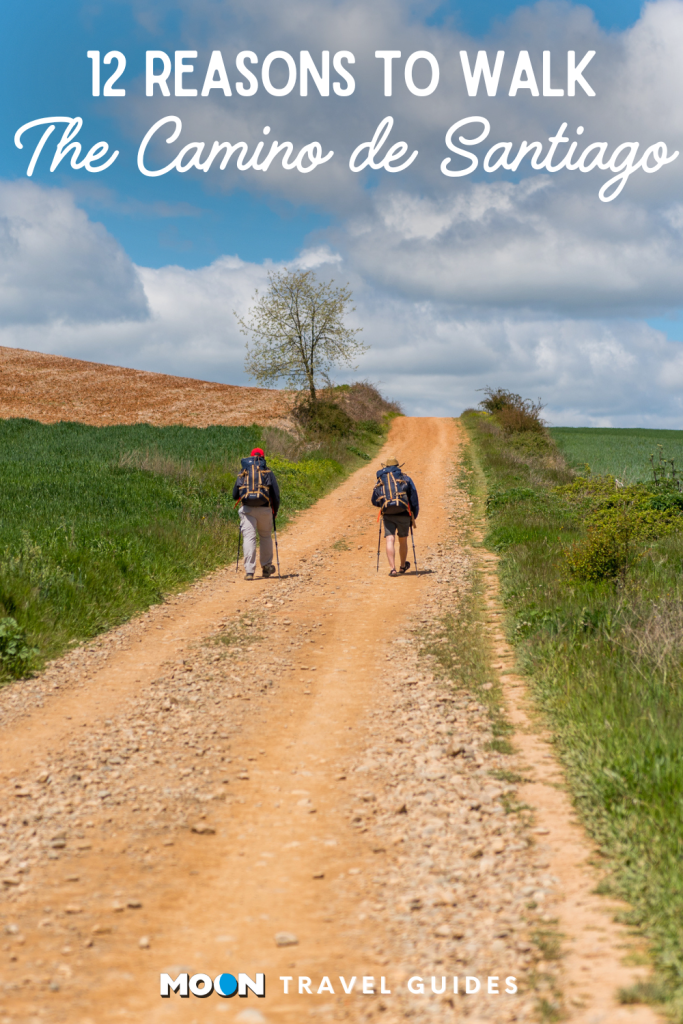
12 Reasons to Walk the Camino de Santiago
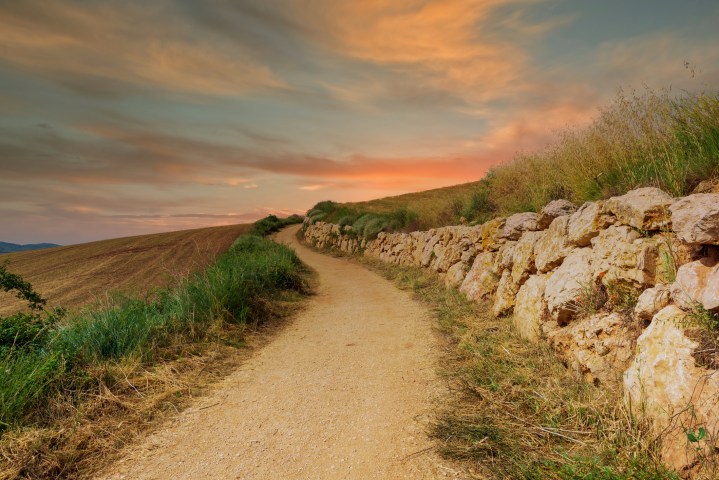
The Camino de Santiago, a sacred pilgrimage and an outdoor trek across northern Spain, is a great adventure. Traveling west for 780 kilometers (485 miles) through soaring mountains, lush river valleys, sweeping plains, and more, there’s a little something for everyone along the trail. Here are 12 reasons to walk the Camino:
For a life-changing adventure:
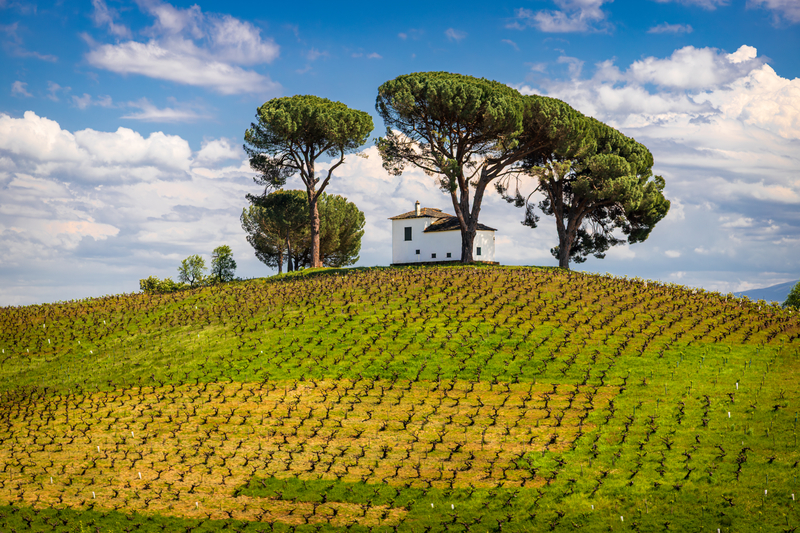
No matter what kind of person you are—secular, spiritual, or religious—walking along the Camino’s dirt paths, through medieval villages and beautiful wild landscapes, becomes a journey of insight and transformation.
To tune more deeply into life and yourself:
The Camino can be treated as a long walking meditation punctuated by churches, chapels, shrines, streams, hills, mountains, rivers, and valleys.
For the food scene:
From succulent fresh-caught seafood and hearty stews to festive local markets and tapas joints, the Camino is a foodie’s dream come true.
Get your guide

To unplug:
Disconnect from normal life (and technology) and enter into a deep experience of presence and connectedness on many levels—with nature, with others, and with yourself.
To be a part of history:
The Camino itself is officially a Christian pilgrimage that is over 1,200 years old, but the terrain is, of course, even older. Humans have long traversed the lands along southwestern France and northern Spain. They left signs—stone tools, painted caves, rock art, dolmens, hilltop settlements, prehistoric roads—and, only later, medieval towns and chapels.
To let go:
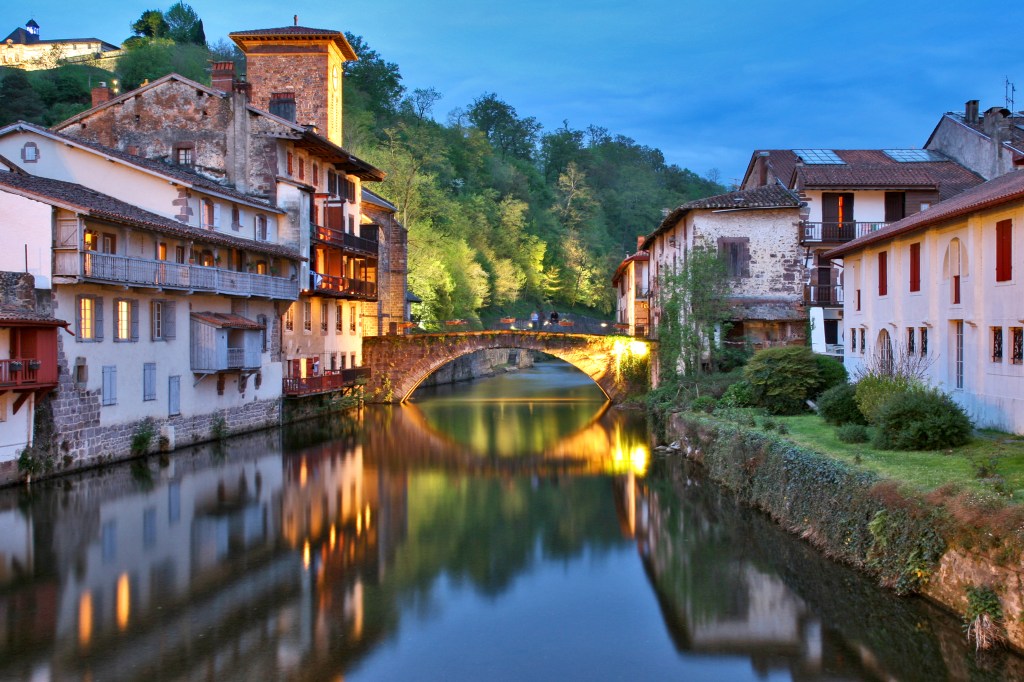
It’s a powerful moment to lay a stone at Cruz de Ferro on Monte Irago, the Camino’s highest point, as you silently enact a ritual of gratitude, forgiveness, or letting go.
For the physical challenge:
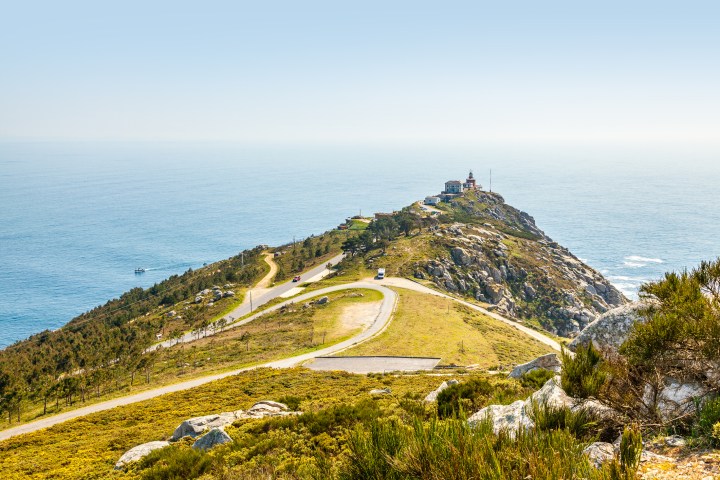
The entire Camino is nearly 500 miles long (and 600 miles if you continue to the ocean), but if you’re looking for a segment that gets your heart rate up, try Saint-Jean-Pied-de-Port to Pamplona, Leon to Sarria, and the Camino Finisterre, all of which offer mountainous terrain, or the stretch from Burgos to León for high plateau meseta terrain.
To explore the many churches:
Walk the stretch from Pamplona to Logroño (the most unusual churches); Logroño to Burgos (for miracle-based and Camino Saint-built churches); Burgos to León (classic Romanesque, Gothic, and Mudéjar churches built for some of the most miracle-working Marys); and Sarria to Santiago de Compostela (quirky small village churches).
For the wine:
The middle of the route, from Pamplona to Sarria, offers distinctive wines. Logroño to Burgos, in particular, is known for world-class La Rioja wines and hearty Castilian ones. Plus, filling your scallop shell with local red wine at Bodegas Irache Wine Fountain, a relatively new Camino tradition, has quickly become a classic.
For solitude:
The Camino is a rare chance in the busy world for solitude and self-reflection. Start anywhere before Sarria and walk any time but summer. In general, the center of the route (after Pamplona and before Sarria) tends to be less crowded than the beginning and end sections.
For camaraderie:
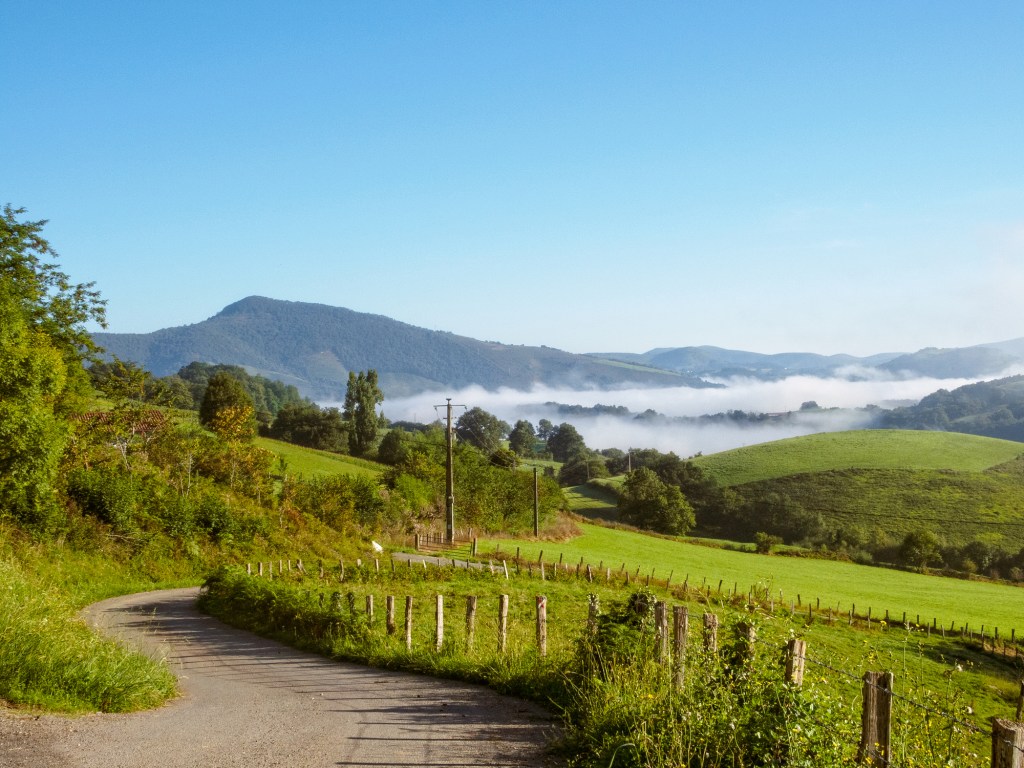
Found everywhere in high doses (especially if you stay in the albergues), but especially potent at the beginning, from Saint-Jean-Pied-de-Port to Pamplona, and at the end, from Sarria to Santiago de Compostela.
For the Compostela:
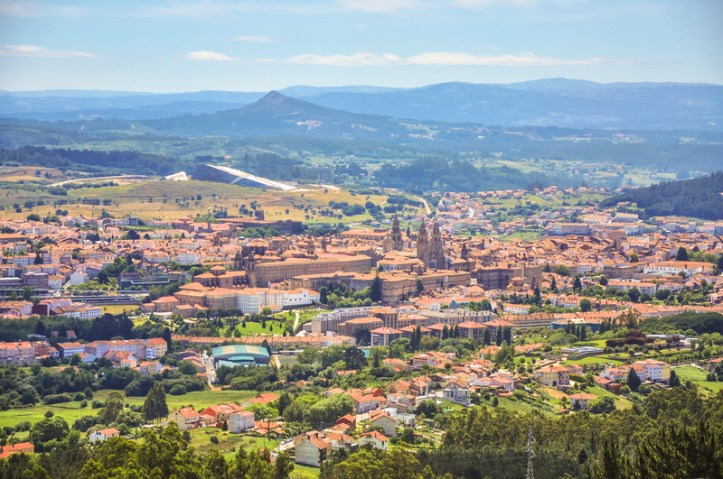
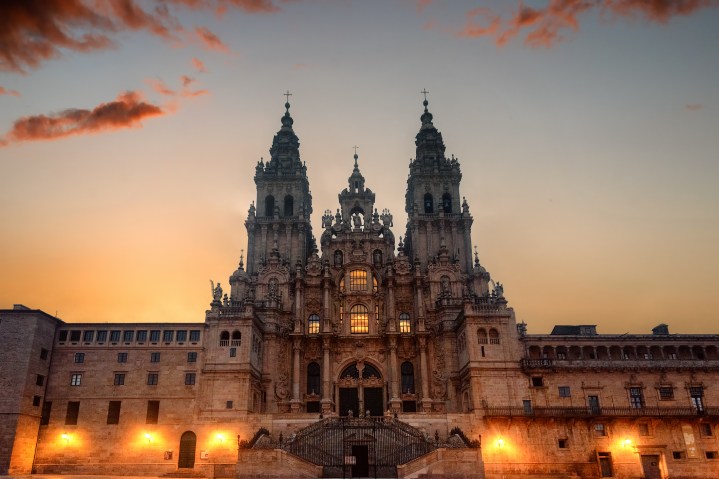
You must walk the last 100 kilometers (62 miles) of the Camino (200 km/124 mi if you’re cycling) to earn a Compostela, the official completion certificate. Sarria is the most popular starting point for walkers wishing to do this. You can also earn official certificates by walking from Santiago de Compostela to Muxía and Finisterre.
More outdoor adventures await in Europe
Get inspired and get ready for adventure with the ultimate guide to Europe’s best trips!
What to Read Next…

Pin It for Later