Nicaragua’s Best Volcano Hikes
No trip to Nicaragua is complete without visiting at least one volcano. Dormant and active peaks are scattered up and down the Pacific half of the country. The Léon region is the easiest base for volcano enthusiasts who want to hike. With a couple exceptions, most of these hikes are long and challenging, requiring an experienced guide. Using local guides is a great way to contribute to the local economy.
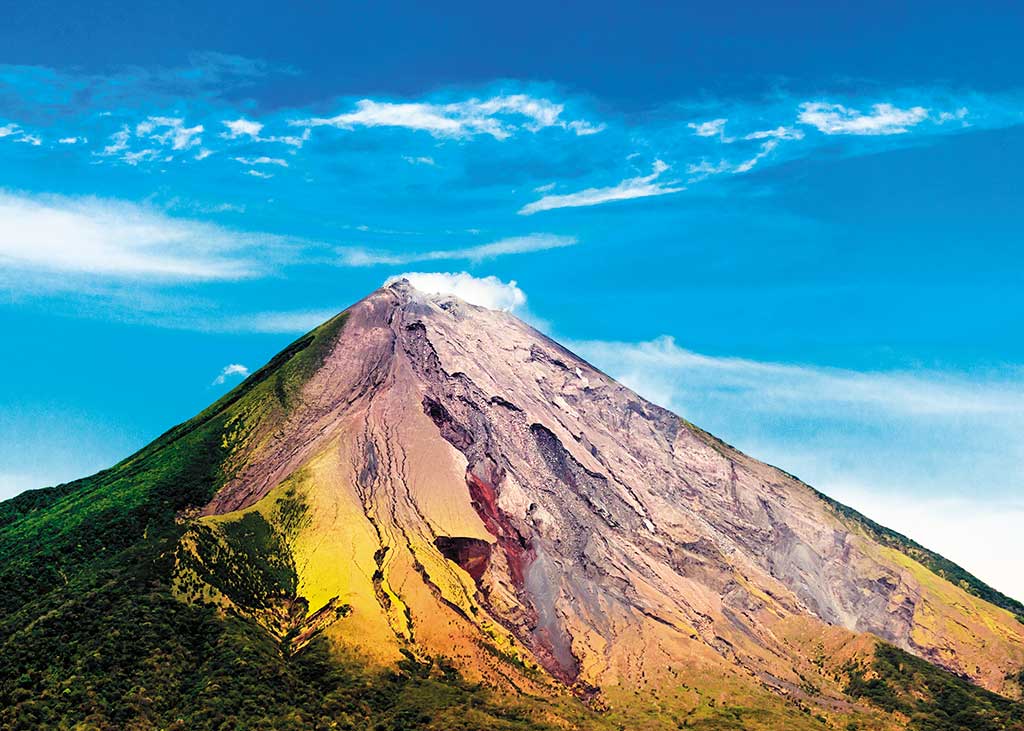
Here are the best volcano hikes from north to south:
- Cosigüina: The southern shore of the Fonseca Gulf, Cosigüina’s vegetation-carpeted crater lip boasts crazy views. Rest at the edge of the crater, or continue on, descending to the crater lake within.
- San Cristóbal: As the highest peak in the country (1,745 m), this is the granddaddy of volcano hikes. It’s long but the grade is moderate.
- Telica: Rising out of a beautiful valley, this volcano makes for a moderate hike with impressive views. If you’re lucky, or the light is low, you may get a glimpse of lava simmering within the smoking crater.
- Cerro Negro: The climb up is short, but the hot, rugged descent is even shorter careening down black sands on a modified snowboard.
- Momotombo: This peak rises up from the shores of Lago Xolotlán. It’s climbable, but not easy, especially when you hit the loose volcanic gravel that comprises the upper half of the cone.
- Masaya: This is one of the most visibly active volcanoes in the country. From one of its craters, you may glimpse incandescent rock and magma. The park contains several short hiking trails through lava formations and scrubby vegetation.
- Mombacho: Every bit of cool, misty, cloud forest higher than 850 meters above sea level is officially protected as a nature reserve comprising a rich, concentrated island of flora and fauna. The longest trail (3 hours) is a loop with several difficult climbs that lead to a breathtaking viewpoint.
- Concepción: Large parts of the hike are treeless, rocky scrambles. As you reach the volcanic cone, the wind buffets you until you reach the crater lip, where the volcano’s hot, sulphurous gas pours out—a stark contrast to its dormant neighbor on Ometepe.
- Maderas: Ometepe’s more accessible option is still no easy feat. You’ll be rewarded at the top with a forested lagoon within the crater.
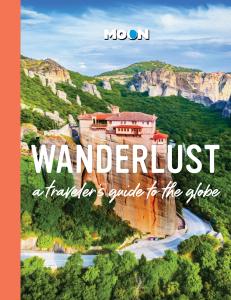
Get inspired with lists of mythic locations, epic trails, ancient cities, and more that span the globe. This stunning, hardcover book is packed with full-color photos, charming illustrations, and fascinating overviews of each destination, making it the perfect gift for dreamers and adventurers alike.
Walk along the Great Wall of China, climb the Atlas Mountains, or trek through Patagonia. Visit stunning national parks from Yellowstone in the US to Tongariro in New Zealand, explore the Gobi Desert, or set sail to the Greek Islands.
Eat your way through the best street food cities in the world, follow wine trails from Spain to Australia, and shop famous markets from the Grand Bazaar to the Marrakech souks.
Find the best places to stargaze from Chile to France, or witness jaw-dropping phenomena from reversing rivers and blooming deserts to fluorescent blue haze and the Aurora Borealis.
Filled with natural wonders, dazzling celebrations, quirky festivals, road trips, bucket-list sites, epic outdoor adventures, and cultural treasures, Wanderlust is the definitive book for the curious traveler.
Where will you go?
About Moon Travel Guides: Moon was founded in 1973 to empower independent, active, and conscious travel. We prioritize local businesses, outdoor recreation, and traveling strategically and sustainably. Moon Travel Guides are written by local, expert authors with great stories to tell—and they can’t wait to share their favorite places with you.
For more inspiration, follow @moonguides on social media.