Where to Go in Southern Spain
With its warm climate, friendly people, fantastic cuisine, and incredible history, Andalusia is guaranteed to light the passion in your wanderlust soul.
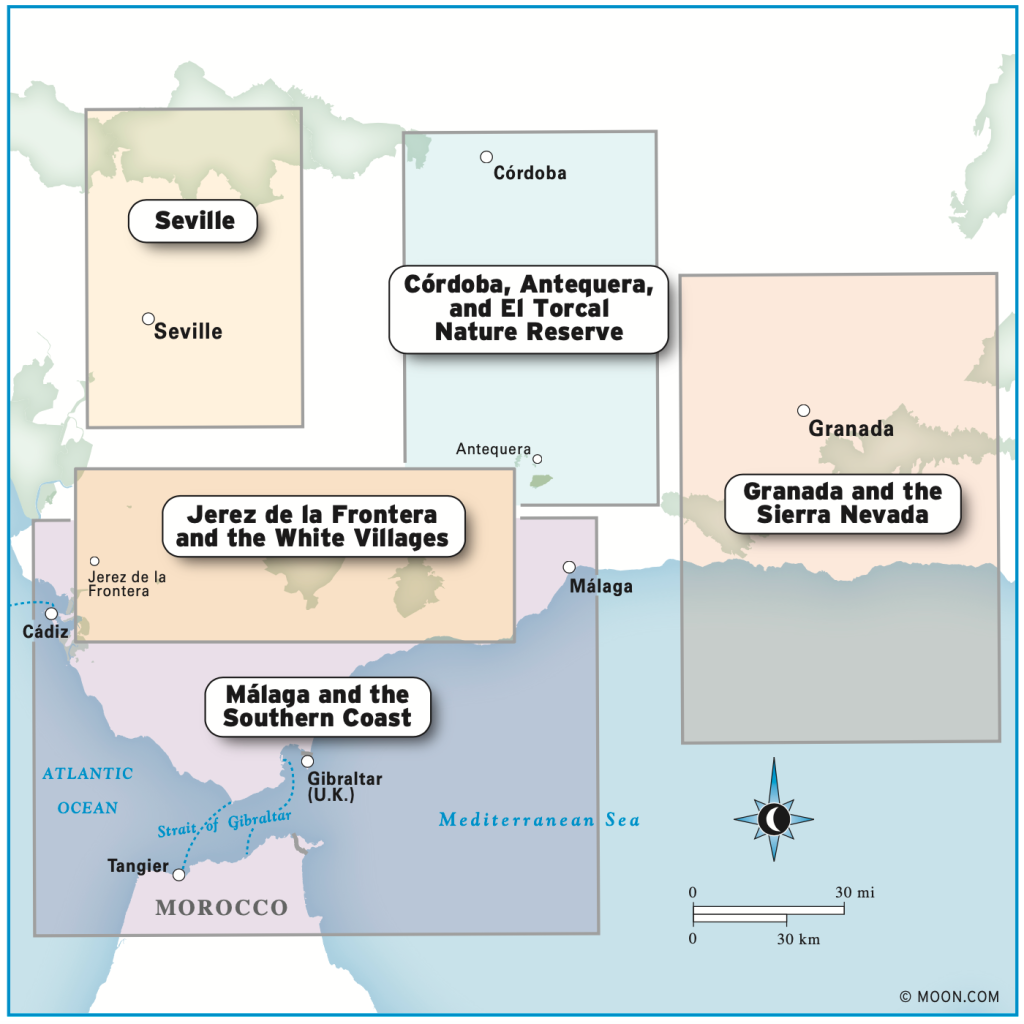
Located at the southernmost tip of continental Spain, hugging the north face of the Strait of Gibraltar, staring down Africa to the south, with rivers flowing to both the Mediterranean Sea and the Atlantic Ocean, you’ll find vibrant cities like Seville and Granada, charming towns, and a picturesque countryside.
Planning a trip to Spain? Here are the top spots to consider on a tour of Andalusia.
Seville
Seville is Andalusia’s most vibrant, and most touristed, city. From flamenco to tapas bars, you’ll find all the elements of Andalusia distilled here. There is a busy festival calendar as well as a slate of annual conferences, so pre-trip planning will go a long way in dodging the biggest crowds. Nearby, the Sierra Norte de Sevilla Natural Park is a haven for hikers.
Córdoba, Antequera, and El Torcal Nature Reserve
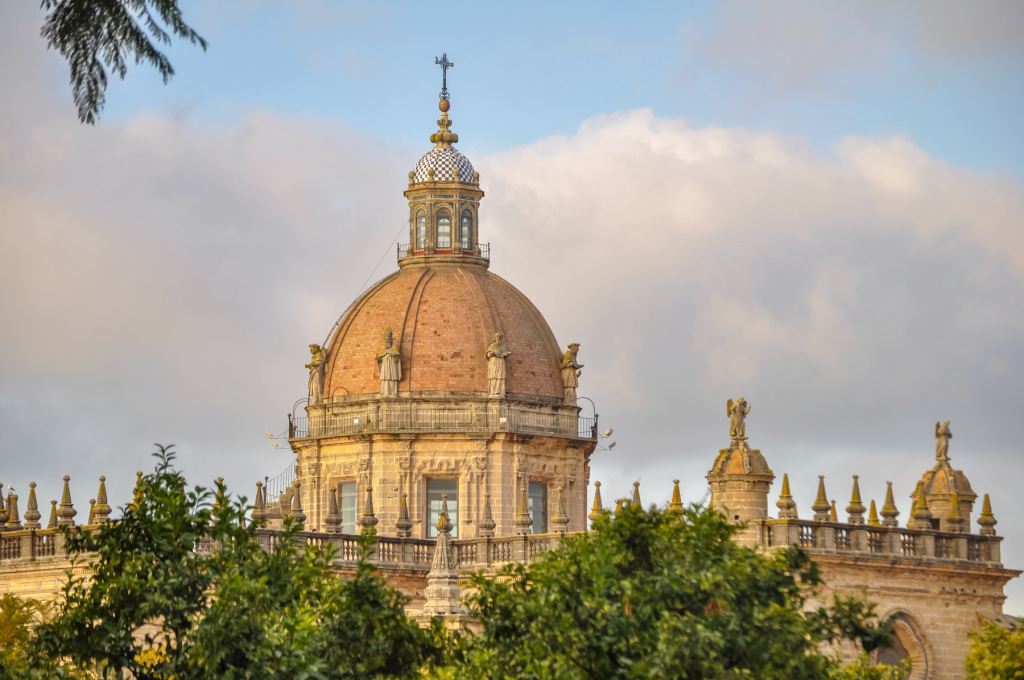
Córdoba boasts numerous World Heritage Sites, including its famed mosque-cathedral, as well as the lesser-known ruins of Medina Azahara, which, for a few decades, was the greatest city in all of Andalusia. In Antequera, you’ll find traces of prehistory in the largest megalithic structures in continental Europe, while El Torcal Nature Reserve takes you even further back through time, into the last ice age when this region was under water.
Granada and the Sierra Nevada
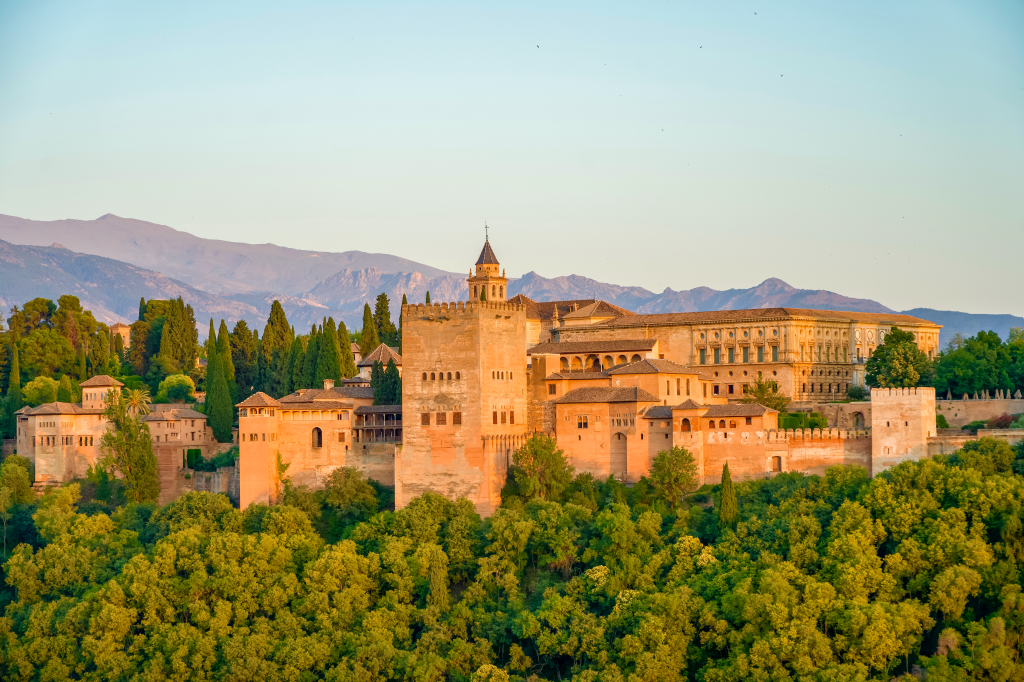
The majestic Alhambra is the most popular site in all of Spain, and rightfully so. Reserve your tickets well in advance, but be sure to explore the rest of Granada. Though you can find tapas everywhere in Andalusia, no place does it like Granada. Nature lovers and those looking for a touch of the Andalusian countryside would do well to explore Sierra Nevada National Park, particularly the Alpujarras region, where charming villages dot the mountainside.
Málaga and the Southern Coast
Málaga has the seaside charm of an aged port town. If you can dodge the cruise ship crowds, you’re in for a great time where the fresh catch and beachside vibes rule the afternoon. The home of Picasso has plenty of art and culture for a multiday stay to keep even the most erudite travelers engaged, though perhaps this region is most known for its many golf courses and beaches. You’ll also be able to quickly cross the Strait of Gibraltar to Africa and the city of Tangier, Morocco, from the surfer town of Tarifa.

Cádiz, the westernmost city on the coast, is well-connected with Seville and Jerez de la Frontera by train and can make a great coastal break from either location or as part of a larger exploration of the region.
Jerez de la Frontera and the White Villages
Accessible from either Cádiz or Seville, Jerez de la Frontera provides a glimpse into sherry and the horse culture that the south of Spain is renowned for. The famous white villages (pueblos blancos) are speckled throughout the mountains, each with its own long history and earthy nature.
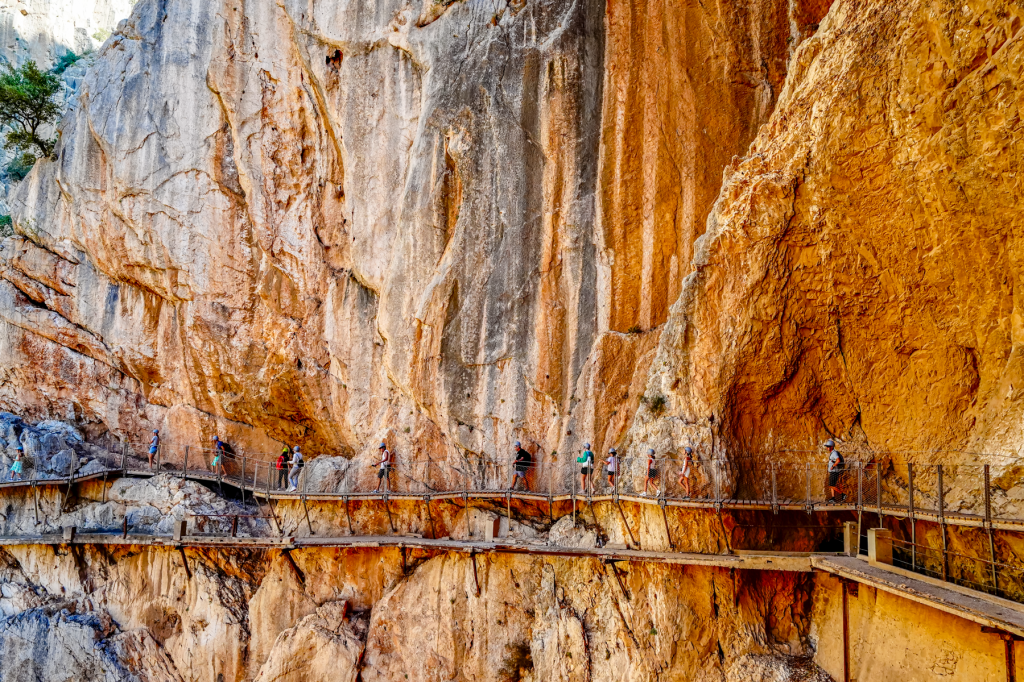
Ronda, with its impressive bridge, is perhaps the most famous. Throughout this area you can expect to be in touch with the farming, agriculture, and local festivals that truly lend soul to Andalusia. Nearby, one of the greatest walks in Spain, the Caminito del Rey, is tucked in the folds of this mountainous region.
Start planning your adventure
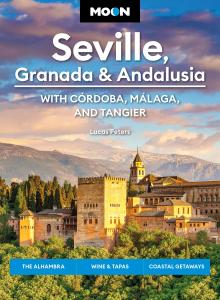

Related books by Lucas Peters

About Moon Travel Guides: Moon was founded in 1973 to empower independent, active, and conscious travel. We prioritize local businesses, outdoor recreation, and traveling strategically and sustainably. Moon Travel Guides are written by local, expert authors with great stories to tell—and they can’t wait to share their favorite places with you. For more inspiration, follow @moonguides on social media.

Pin it for later